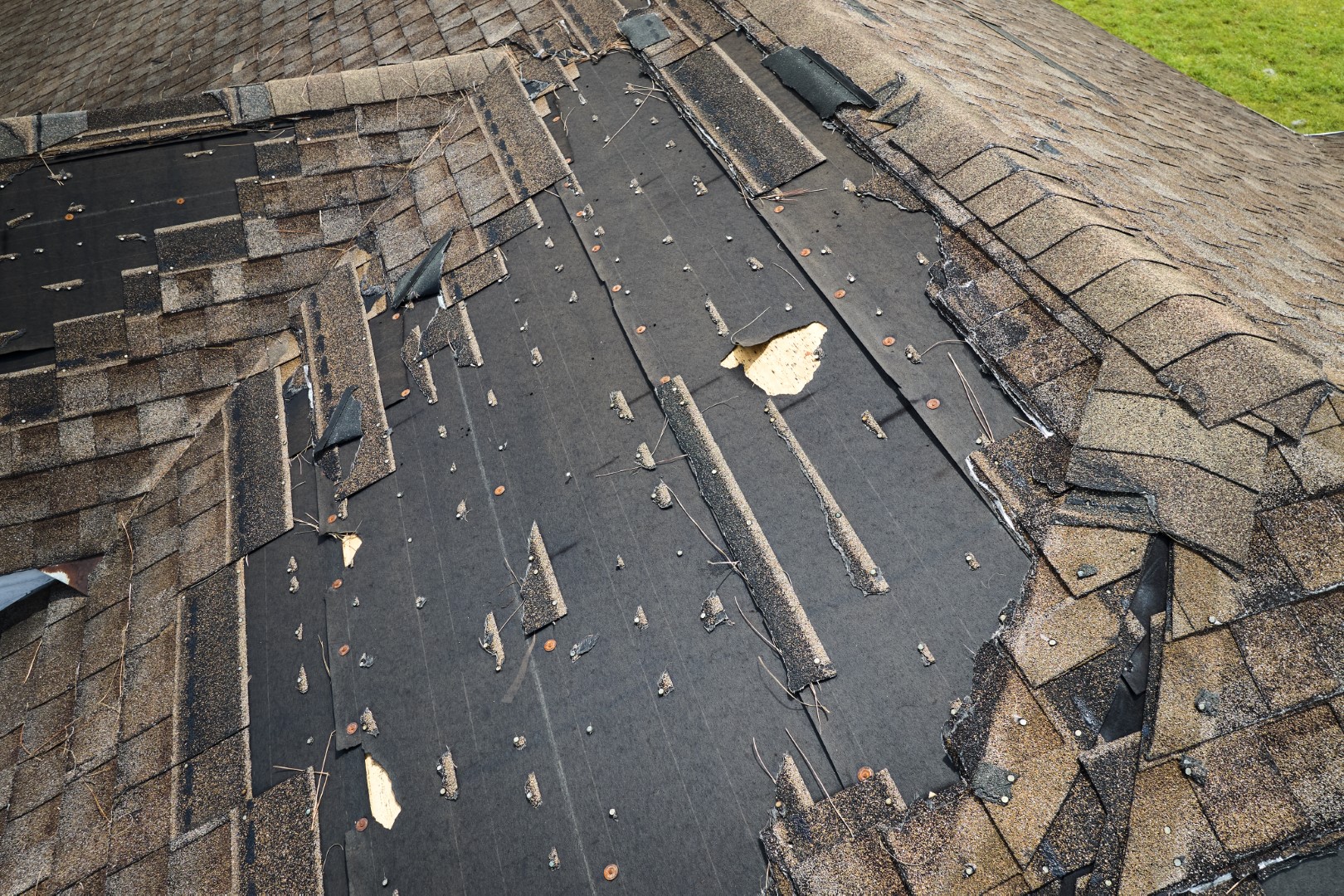
Texas storms can damage a roof without leaving obvious signs from the ground. Hail may bruise shingles, strong winds can loosen roofing materials, and heavy rain can expose weak spots around flashing, vents, and roof valleys. Some problems appear right away, while others lead to leaks days or weeks later. A careful roof inspection after a storm can help homeowners find damage before it causes more costly repairs. Knowing what to check, when to call a roofing contractor, and how to document storm damage can make the next steps easier. For homeowners in Abilene, TX, acting early can help protect the roof and the rest of the property.
1. Check for Visible Roof Damage After the Storm
Start by looking at your roof from the ground. Do not climb onto a wet, damaged, or steep roof to inspect it yourself. Loose shingles, fallen branches, missing ridge caps, and pieces of roofing material in the yard can point to storm damage.
Hail can leave dents in metal vents, gutters, flashing, and other exposed parts of the roof. Asphalt shingles may show dark marks, surface loss, or damaged edges. However, not every mark means the roof has been damaged, and some hail impacts are difficult to see without a closer inspection.
Look at nearby trees and fences for broken branches or signs of strong winds. Check whether gutters have pulled away from the roofline or downspouts have become loose. These signs do not prove roof damage, but they can help identify areas that need attention.
Homeowners should avoid making a final decision based only on a ground-level view. A qualified roofing contractor can inspect the roofing materials and determine whether the storm affected their condition.
2. Look for Hail and Wind Damage That Is Easy to Miss
Hail and wind affect roofing materials in different ways. Hail can damage shingles, crack fragile components, and leave impact marks on roof vents or metal flashing. On asphalt shingles, severe impacts may remove protective granules or weaken the shingle surface. Wind can lift shingle edges, break seals, expose fasteners, or remove entire sections.
These problems may not cause an immediate leak. Water can enter through a small opening during the next rainfall and damage roof decking, insulation, ceilings, or interior walls.
Pay attention to roof valleys, ridges, edges, and areas around chimneys or vent pipes. These locations can be vulnerable during severe weather. Do not assume that a roof is in good condition simply because no shingles are missing.
A professional roof inspection after a Texas storm can help identify hidden damage and determine whether repairs are needed. The inspection should document the condition of the roof and explain any recommended work.
3. Inspect the Attic and Interior for Signs of Water Intrusion
The roof surface is only one part of the inspection. Checking the attic and upper rooms can reveal signs of water entering the home. If it is safe to access the attic, look for damp insulation, water stains on the roof decking, dark marks on wooden supports, or visible daylight through gaps.
Inside the home, inspect ceilings and walls for brown stains, bubbling paint, peeling finishes, or new damp patches. A musty smell may also point to moisture that has collected in an enclosed space.
Do not touch wet electrical fixtures or enter an attic with unsafe flooring or damaged structural components. If water is near electrical wiring, keep away and contact a qualified professional.
Remember that not every ceiling stain comes from recent storm damage. Older leaks and plumbing problems can cause similar signs. A roofing contractor can help trace the likely source and explain whether the roof needs repair.
4. Document the Damage Before Starting Roof Repairs
Good documentation can help you explain the damage to your insurance company and compare contractor estimates. Take photos from safe ground-level locations, including damaged shingles, fallen branches, dented gutters, and water stains inside the home. Record the storm date and make a list of visible problems.
If water is entering the house, move furniture and belongings away from the affected area when safe. Use a bucket to collect dripping water, but do not attempt roof repairs during dangerous weather or climb onto the roof to place a tarp.
Review your homeowners insurance policy to understand your coverage, deductible, and claim deadlines. Contact your insurer if you plan to file a claim. Keep receipts for reasonable emergency measures and copies of inspection reports and repair estimates.
A roofing contractor can provide photographs and a written assessment of observed roof conditions. However, the contractor should not promise that an insurance claim will be approved. The insurer makes the coverage decision under the terms of the policy.
5. Know When to Call a Roofing Contractor in Abilene, TX
Call a roofing contractor if you notice missing shingles, suspected hail impacts, loose flashing, active leaks, or damage to roof edges after a storm. You should also arrange an inspection when a severe storm passes nearby and there are signs of damage around your property, even if the roof looks normal from the ground.
Choose a contractor who explains the inspection findings, provides clear photographs, and separates necessary repairs from optional improvements. Ask for a written estimate that lists materials, labor, and the work included. Check licensing requirements, insurance, references, and warranty terms that apply to the job.
Be cautious of contractors who pressure you to sign immediately, demand full payment upfront, or promise a guaranteed insurance payout. Take time to review the proposed work before agreeing to repairs.
Hale Roofing & Construction can be contacted to discuss roofing concerns after a storm. A clear inspection report can help you understand the condition of your roof and decide which repairs, if any, should come next.
Conclusion
A roof inspection after a Texas storm can help you find damage before it leads to leaks, wood rot, or costly interior repairs. Check for visible signs from the ground, look for water stains inside your home, and document any concerns. Avoid climbing onto a damaged roof, as loose materials and wet surfaces can create serious safety risks. If your home in Abilene, TX, may have storm damage, contact Hale Roofing & Construction to discuss your concerns and arrange a professional roof assessment. Early action can help you understand the repairs needed and protect your home from further damage.
Frequently Asked Questions
1. How soon should I inspect my roof after a Texas storm?
Check your property as soon as the weather is safe. Arrange a professional inspection promptly if you suspect hail damage, missing shingles, or leaks. Early checks can help identify problems before the next rainfall.
2. Can hail damage a roof without causing leaks?
Yes. Hail can weaken shingles or damage protective granules without creating an immediate opening for water. A qualified roofer can assess whether the impacts have affected the roofing system.
3. Will homeowners insurance cover storm damage to my roof?
Coverage depends on your policy, the cause of damage, exclusions, and deductible. Review your policy and contact your insurer to understand the claim process before assuming repairs will be covered.
4. How much does a roof inspection cost in Abilene, TX?
Inspection fees vary by contractor, roof size, accessibility, and the type of assessment required. Ask whether the contractor charges a fee and whether a written report or photographs are included.
5. Should I replace my roof after hail damage?
Not always. Minor damage may need only targeted repairs, while widespread damage or an aging roof may justify replacement. A detailed inspection can help determine the appropriate option based on the roof condition and repair costs.